













Teaching jobs in India run on a simple logic that trips up thousands of hopefuls every year: the degree qualifies you to teach, but an eligibility test qualifies you to be hired. Miss that distinction and you can spend years applying for posts you were never eligible for. Get it right, and the path becomes clear, if long.
This guide explains how the system fits together — the exams, the levels, the routes into government and private schools — without pretending any of it is quick.
The two-part rule behind teaching jobs in India
To teach in a government or government-aided school, you generally need two things. First, the academic and professional qualification for your level — a B.Ed for secondary teaching, a D.El.Ed or equivalent for primary. Second, a qualifying score in a Teacher Eligibility Test, or TET. The TET does not hand you a job. It makes you eligible to apply when a recruitment drive opens.
That second part is where people stumble. Clearing the eligibility test is a gate, not a destination. The actual hiring happens through separate recruitment notifications issued by states, central bodies, or individual schools.
Why build it this way? The eligibility test standardises a minimum quality bar across a huge and uneven pool of candidates, so a recruiter starts from a filtered shortlist rather than sifting every applicant from scratch. Understanding that logic helps: the test is not an obstacle invented to fail you, it is the sorting mechanism you have to clear to enter the room.
What CTET is, and who it is for
The Central Teacher Eligibility Test, or CTET, is conducted by the CBSE for teaching positions in central government schools — think Kendriya Vidyalayas, Navodaya Vidyalayas, and schools in union territories. It has two papers:
- Paper I for those who want to teach classes 1 to 5 (primary).
- Paper II for those aiming at classes 6 to 8 (upper primary).
Want to teach across the full 1-to-8 range? You sit both papers. The syllabus covers child development and pedagogy, language, mathematics, and environmental or subject studies depending on the paper. A CTET pass certificate is widely recognised, and its validity is now lifetime — a meaningful change from the earlier seven-year limit, and one reason it is worth the effort.
State TETs and why they exist
Each state runs its own Teacher Eligibility Test for jobs in its state government schools — UPTET in Uttar Pradesh, MAHATET in Maharashtra, TNTET in Tamil Nadu, and so on. The structure mirrors CTET: a primary paper and an upper-primary paper, tied to state syllabi and often the state language.
The practical question people ask is which to take. A simple way to think about it: CTET opens central schools, a state TET opens that state’s schools. Many candidates sit both to keep more doors open. Neither replaces the other.
One detail catches people out: the qualifying mark. The general benchmark is 60 percent, but many states relax the cut-off for reserved categories, so the number that applies to you may differ from the one your friend needs. Check the rule for your category before you decide whether a near-miss counts as a pass.
Beyond CTET and TET: the other routes
Eligibility tests are the primary school and middle school story. Higher up, the routes change.
- Senior secondary (classes 11-12) government posts are usually filled through PGT recruitment, needing a postgraduate degree plus B.Ed, and are advertised by bodies like state public service commissions or central school systems.
- College and university teaching runs on a different track entirely — typically the UGC NET, or a PhD, rather than a TET.
- Private schools set their own rules. Many good ones still expect a B.Ed and increasingly value a CTET pass, but they are not bound by the government eligibility framework.
If school teaching is your goal, the eligibility-test route is central. If higher education attracts you, look at NET and research qualifications instead.
How the hiring actually happens
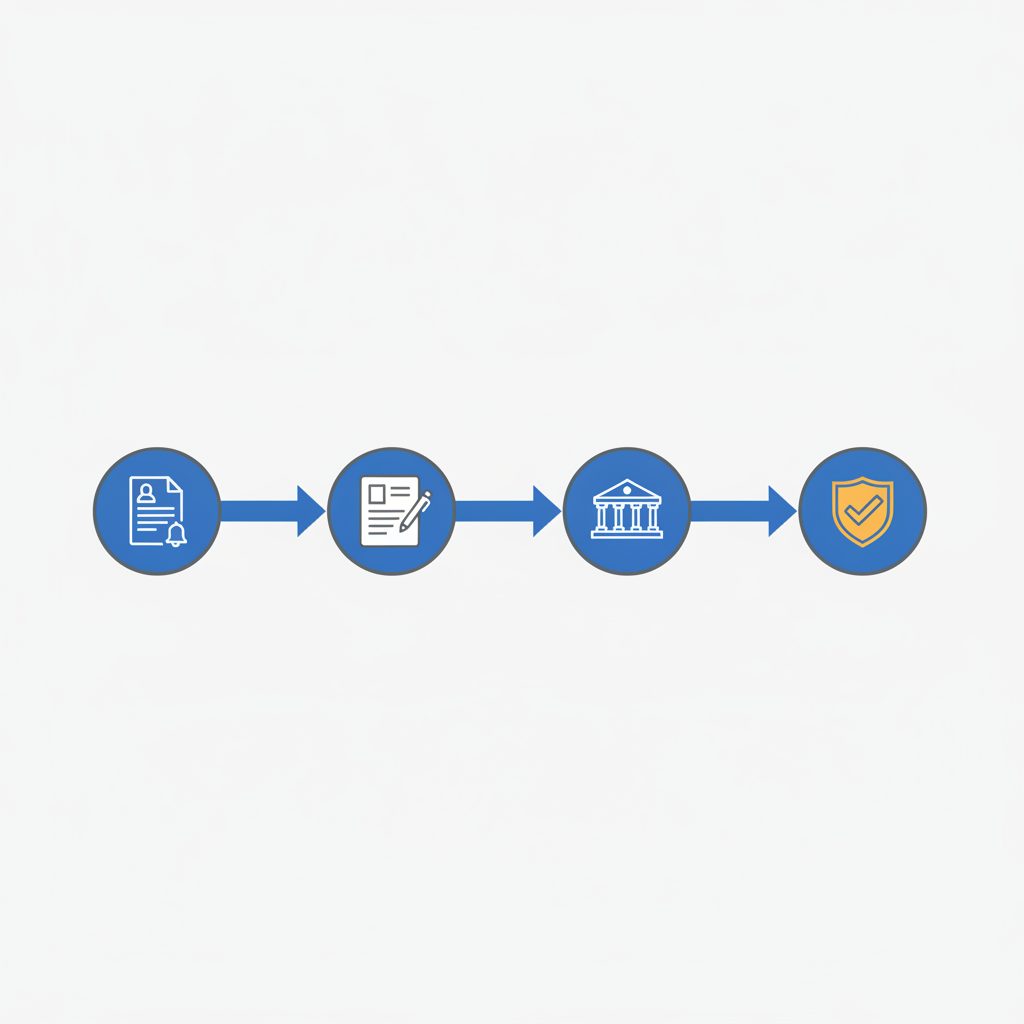
Here is the sequence, start to finish. You earn your teaching qualification. You clear the relevant eligibility test. Then you wait for and apply to a recruitment notification — a state education department drive, a KVS or NVS vacancy, or a private school opening. Government recruitment often adds a merit list, sometimes an interview, and document verification before appointment.
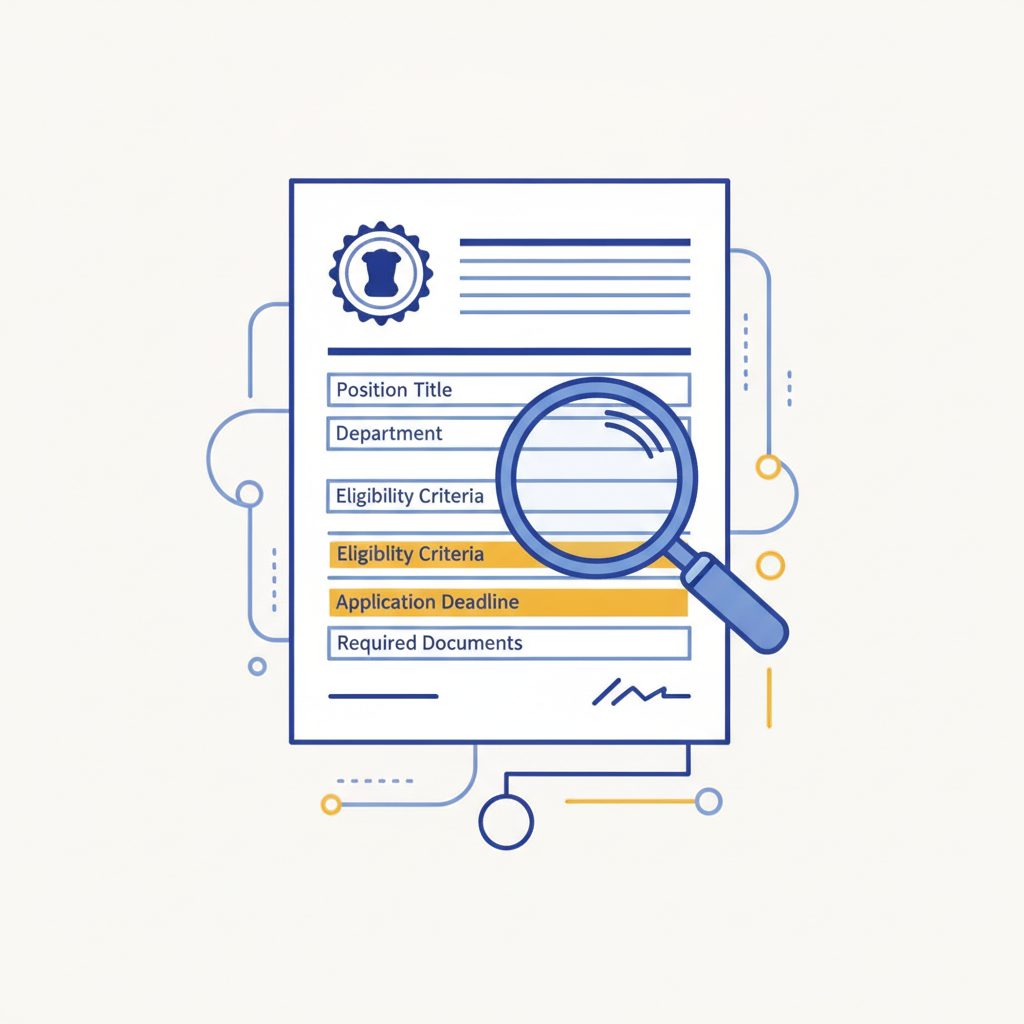
Because these are competitive government roles, learning to read a notification carefully — eligibility, age limits, reserved categories, the fine print — matters as much as clearing the test. A single missed criterion can void an otherwise strong application.
How to prepare for the eligibility test
The syllabus rewards understanding, not cramming. Roughly a third of most TET papers is child development and pedagogy — how children learn, inclusive education, assessment. Do not treat it as an afterthought; it often decides the result because the subject sections are more predictable and everyone scores on them.
Three practical moves help. Work through previous years’ papers to learn the question style, because the pattern repeats more than you would expect. Strengthen the subject you are weakest in rather than polishing the one you already enjoy. And if you are targeting a state TET, prepare in the medium and language that paper uses — a strong candidate can still stumble on unfamiliar regional-language phrasing. None of this is glamorous. It is steady work, and steady work is what clears these tests.
An honest word on timelines and effort
Nobody should sell you teaching jobs in India as a fast track. The qualification takes years. Eligibility tests are competitive and many people clear them only on a repeat attempt. Recruitment drives do not run every month, and the gap between clearing a TET and landing an actual post can be long. That is the real picture.
What makes it worth it is stability, purpose, and — in the government system — genuine job security once you are in. If teaching is the work you want, treat the eligibility test as step one of several, prepare seriously, and keep more than one door open. The people who succeed are rarely the most brilliant. They are the ones who understood the process and outlasted it.