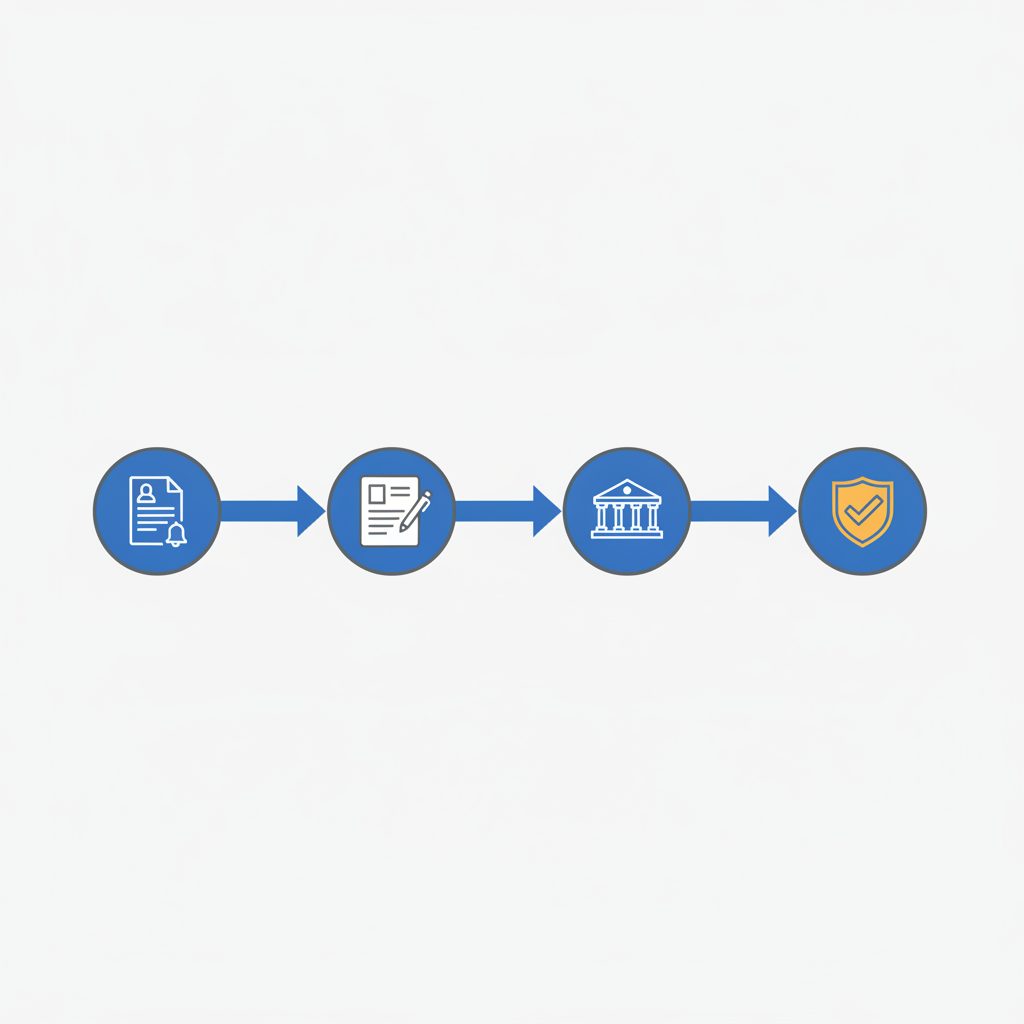













This Editorial Policy explains how GetJobsNews researches, writes, verifies, and corrects its coverage of jobs and careers in India. It applies to everything we publish. Our goal is to be a publication readers can rely on precisely because we are open about how we work and honest about our limits.
Our purpose and independence
GetJobsNews exists to explain how hiring, recruitment, exams, and the wider world of work function in India, so readers can make better-informed decisions. We are an independent editorial team. Our judgements about what to cover and how to cover it are made by our editors, led by the Editor-in-Chief, and are not for sale. We do not let advertisers, employers, or any outside party dictate our coverage or conclusions.
We are a publisher, not a recruiter or job board. We do not accept payment to feature a particular employer favourably, to promise outcomes, or to present promotional material as independent reporting. If any content is ever sponsored or produced in partnership, it will be clearly labelled as such.
How we research
We build our coverage on primary and authoritative sources. For anything involving government recruitment, competitive exams, or official schemes, that means the notifications, rules, and websites of the relevant department or body — not second-hand summaries. We read the source, then explain it. Where we draw on data or reporting from elsewhere, we aim to attribute it clearly so readers can trace it back.
Because official details change, we treat live specifics — dates, vacancy numbers, eligibility, fees — as things readers must confirm at the source. We routinely tell readers to verify current notifications on the official website before acting, and we design our articles to point there rather than to stand in for the official notice.
How we verify
Before publishing, we check claims against reliable sources and flag anything we cannot confirm. We distinguish between what is officially announced, what is reported, and what is analysis or opinion, and we try to make that distinction visible to the reader. We are especially cautious with anything that could affect a reader’s money, eligibility, or applications, and we avoid stating specifics with false precision.
We do not fabricate. We do not invent statistics, sources, quotes, credentials, or awards, and we do not manufacture a history or readership we do not have. If we are uncertain, we say so.
Guidance, not individual advice
Our explainers and guides describe how processes generally work. They are not personalised career, legal, or financial advice, and they cannot account for any individual’s specific situation. Readers should treat our content as a starting point for understanding — and, where a decision matters, consult the official rules and appropriate professionals.
Corrections
We will get things wrong sometimes, and when we do, we fix them openly. If we publish a material error, we correct the article and note that a correction was made. We would rather be transparently accountable than quietly edit and move on. Readers who spot an error can tell us through our Contact page, and our full approach is set out in our Corrections Policy.
Safety and the public interest
A recurring theme in our coverage is protecting readers from recruitment fraud. We consistently remind readers that genuine recruiters never charge for a government job, and we highlight the warning signs of scams. Our dedicated Job Scam Safety resource sets this out in detail.
Feedback
We welcome questions and challenges to our work. If you think we have been unclear, unfair, or inaccurate, please get in touch — holding us to this policy is part of how we improve. For more on the boundaries of our coverage, see How We Cover Jobs and our Disclaimer.