












Every year, close to a million people fill out the form for the UPSC civil services exam. A few hundred clear it. That ratio is the first honest thing anyone should tell you before you sink two or three years of your life into this. The exam is not impossible. It is long, unforgiving, and it rewards stamina as much as raw intelligence.
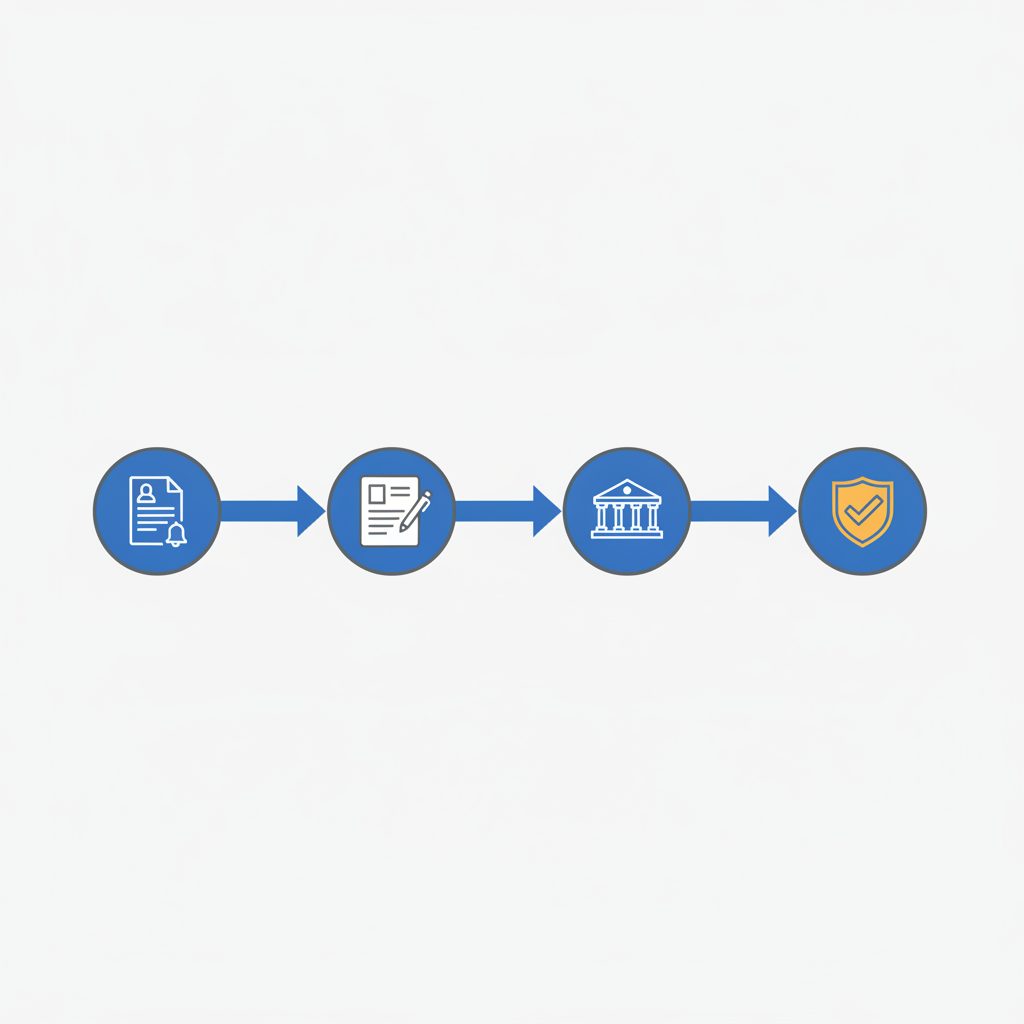
The Union Public Service Commission runs the whole thing once a year to fill the IAS, IPS, IFS and a stack of other central services. One notification. One cycle. Three stages. Miss a deadline and you wait twelve months for the next window.
How the UPSC civil services exam is structured
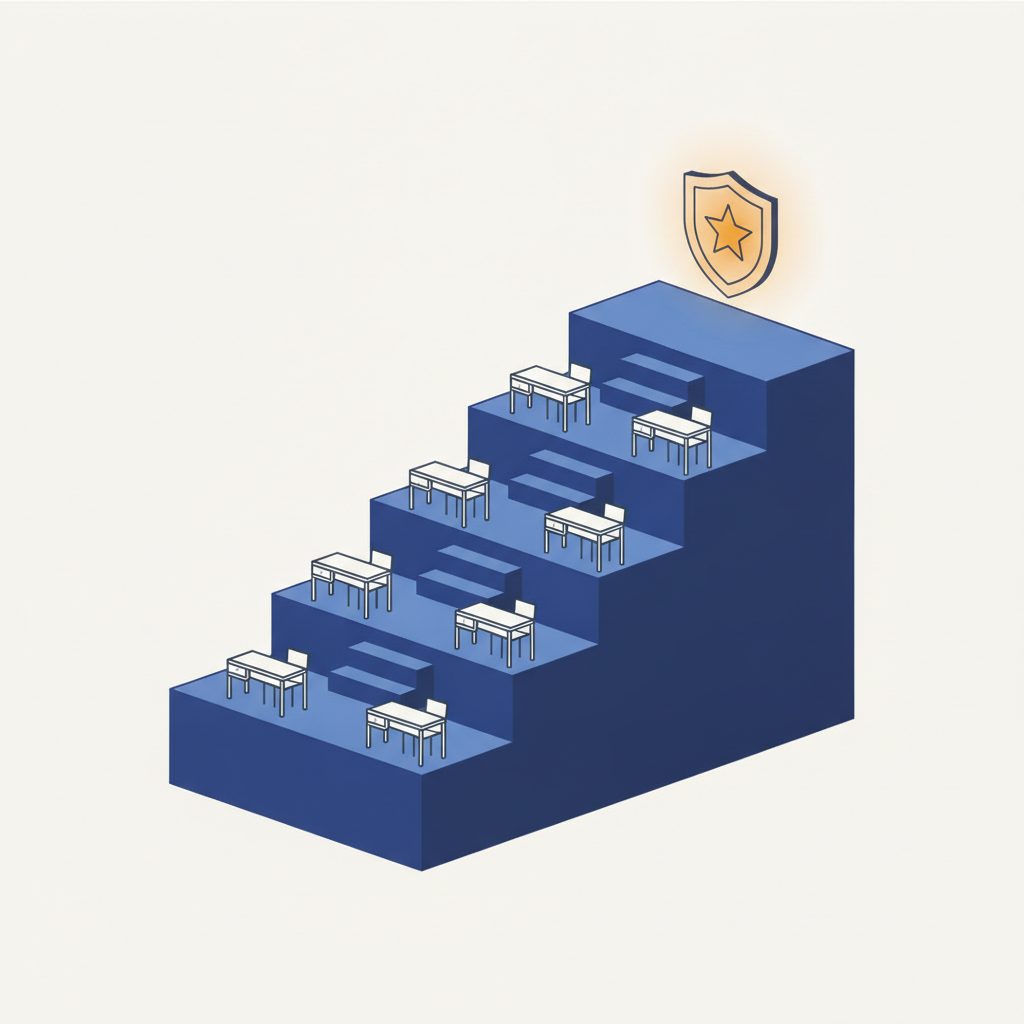
There are three stages, and each one thins the crowd.
Prelims comes first, usually around mid-year. Two objective papers. General Studies Paper I covers current affairs, history, geography, polity, economy, environment and general science. Paper II, known as CSAT, tests comprehension, reasoning and basic maths. Here is the catch most beginners miss: CSAT is only qualifying. You need 33 percent in it and nothing more. Your prelims score does not carry forward at all. Prelims exists purely to decide who sits the next stage. There is negative marking, so blind guessing bleeds your total.
Mains is where the real exam lives. Nine papers, hand-written, descriptive. Two are language papers you only need to pass; those marks do not count. The seven that count are an essay paper, four General Studies papers, and two papers on an optional subject you pick from the official list. That is 1,750 marks of writing across several days. You are graded on how you argue, structure and finish an answer against the clock, not on how much you can recall.
The interview, officially the Personality Test, carries 275 marks. A board talks to you for roughly half an hour about your background, your choices, and your views on public matters. There is no syllabus. They are reading temperament, honesty and judgement, and they are good at it.
Your final rank comes from Mains plus interview, 2,025 marks in all. Prelims gets you through the door and is then forgotten. Your rank, set against your service preferences, decides whether you land in the IAS, the IPS, the foreign service or one of the other Group A and Group B services.
Who can apply
You need a bachelor’s degree in any subject from a recognised university. Stream does not matter. An engineer, a doctor and a history graduate write the same paper. Final-year students can usually apply and produce proof of their degree later, but read the notification for the exact wording each year, because it does shift.
Age and attempts depend on your category. As a rough guide, general-category candidates apply between 21 and 32 and get six attempts. OBC candidates get three extra years and nine attempts. SC and ST candidates get a five-year relaxation and can keep going until the upper age limit. Persons with benchmark disabilities get wider relaxations still. These numbers are pinned to the yearly notification and a fixed cutoff date, so confirm them against the official document before you count your chances. Working out your own age and category eligibility early saves a lot of wasted planning.
The optional subject decision
You choose one optional subject, and it carries two papers worth 500 marks combined. This call matters more than most people expect. Pick something you can actually sit with for a year, whether that is your graduation subject or one with clean material and a syllabus you can finish. Do not chase the so-called scoring optional that everyone in the coaching queue swears by. A subject you dread will quietly rot your whole preparation.
What preparation actually looks like
Most serious candidates spend a year to eighteen months on an honest first attempt. The syllabus is wide but not bottomless. The mistake is rarely reading too little. It is reading too much and revising too rarely. Ten books read once are worth less than three books read five times.
A workable rhythm looks like this. Build your base from standard sources and one national newspaper read every single day for current affairs. Take notes you will genuinely return to, not notes you make to feel productive. Then, months before the exam, swing from reading to writing. Answer-writing practice is the single biggest gap between people who clear Mains and people who do not. You can know an answer cold and still lose marks because you could not get it onto paper in seven minutes.
Mock tests for prelims do two jobs. They force revision, and they teach you which questions to leave alone. In an exam with negative marking, knowing when not to answer is itself a skill worth points.
The honest part nobody frames well
This exam carries a real cost beyond the coaching fees. It eats years you could have spent building a career somewhere else. Plenty of sharp, disciplined people give it three attempts and never make the final list, not because they were lazy, but because a few hundred seats cannot absorb a few hundred thousand aspirants. That is arithmetic, not a verdict on you.
So walk in with a plan B that is not an insult to your plan A. Keep a degree, a skill or a job that survives if the rank never comes. The people who handle this process best are usually the ones who refuse to stake their entire identity on the result. It helps to see the bigger picture too. Once you understand how government recruitment works across the board, the civil services read as one route among many rather than the only door worth pounding on. The SSC route through the SSC CGL exam puts you in central government offices without the same odds, and it is worth a serious look.
Read the notification like a legal contract. Practise writing until it bores you. And decide, before you start, how many years you are willing to give this and what you will do the day they run out. Clear-eyed effort beats blind devotion here every time.