














Indian Railways is one of the largest employers on the planet, and railway recruitment through the RRB is how most people get in. If you have ever seen a station platform crowded with candidates clutching admit cards, you have seen the scale of it. Millions apply for a single notification. Understanding the machinery before you apply saves you months of confusion.
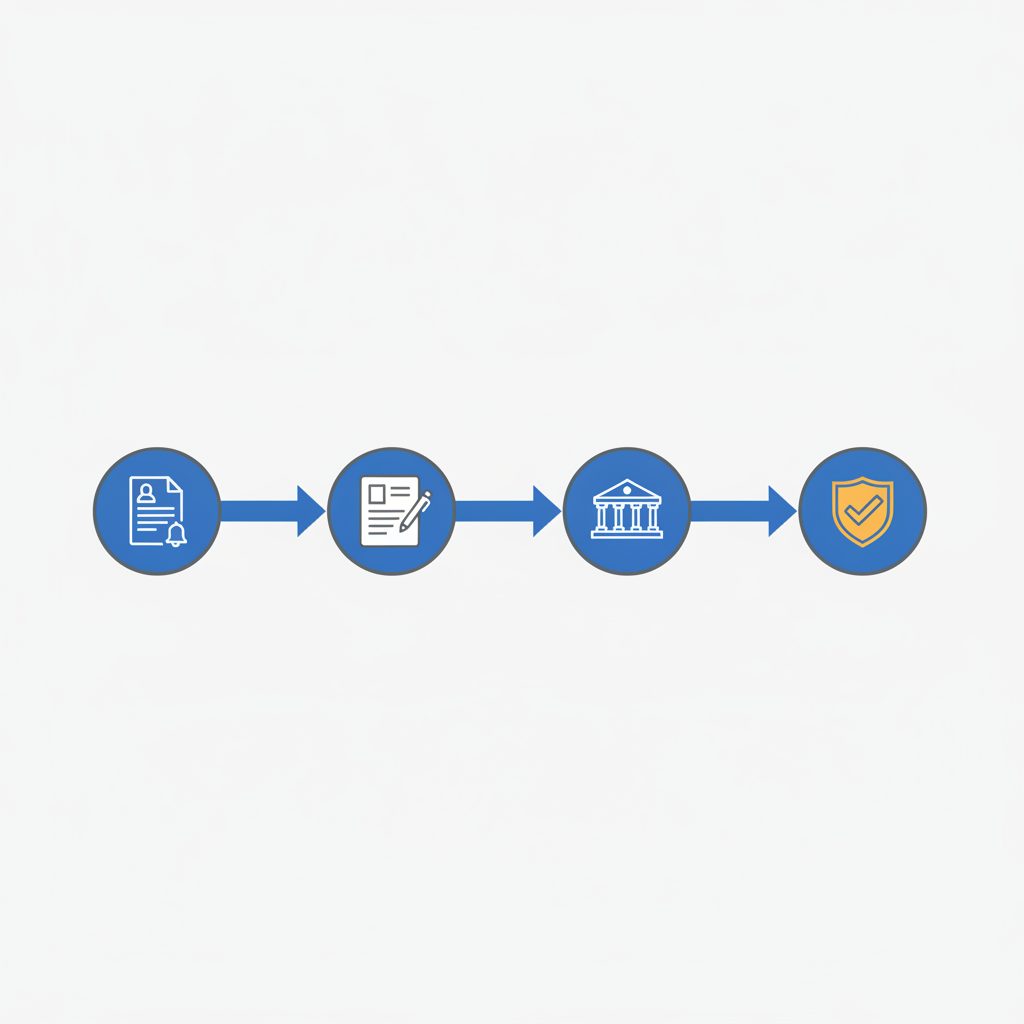
The short version: hiring for the railways runs mostly through the Railway Recruitment Boards, and the process is built around computer-based tests, skill or physical checks, and a hard medical exam at the end. Let’s take it apart.
How railway recruitment through the RRB is organised
There are 21 Railway Recruitment Boards spread across the country, each tied to a region. Alongside them sit the Railway Recruitment Cells, which handle Level 1 posts, the entry rung once called Group D. When a notification drops, it is usually centralised, but you apply to one board tied to the zone you want. Pick carefully, because you cannot flit between boards inside the same recruitment cycle.
The posts fall into a few broad families. NTPC, short for Non-Technical Popular Categories, covers roles like clerk, typist, station master and goods guard, and it runs at two levels, one for graduates and one for those who have finished Class 12. Then there are the technical and safety posts: Assistant Loco Pilot, Technician, and Junior Engineer. Level 1 posts, the track and maintenance grades, need a Class 10 pass or an ITI certificate. There are also paramedical and ministerial vacancies that surface less often.
The stages you actually go through
Nearly every railway post runs on a Computer Based Test, and the sequence depends on the job.
- CBT 1 is the first screening round. It is broad and shorter, testing maths, general intelligence, reasoning and general awareness. For many posts it only decides who moves to the next stage; the marks do not always carry into the final merit.
- CBT 2 is deeper and post-specific. This is usually the stage that decides your standing for NTPC and technical roles.
- Skill or aptitude tests come next for certain jobs. Aspiring loco pilots sit a Computer Based Aptitude Test that checks reflexes and concentration, and it is pass-or-fail. Some clerical roles need a typing test.
- Physical Efficiency Test applies to Level 1 posts. You run and lift within set limits, and there is no partial credit; you either clear it or you don’t.
- Document Verification and Medical Examination close the process. The medical is stricter than most candidates expect, because so many railway jobs are safety-critical.
Normalisation, and why your raw score isn’t the whole story
Because these exams run across many shifts and days, the railways apply normalisation. In plain terms, scores get adjusted so that sitting an easier or harder shift does not unfairly help or hurt you. Your final standing is a normalised score, not your raw marks. Candidates who don’t know this often panic when their raw total looks different from their result. Nothing has gone wrong; the maths has simply levelled the shifts.
The medical standards matter more than people think
Railway posts carry medical categories, graded by how safety-sensitive the role is. A loco pilot needs sharp, unaided vision within strict limits, because the job involves reading signals at speed. A clerk faces gentler standards. People clear every written stage and then fall at the medical because they never checked the vision or fitness requirement for their post. Read that section of the notification before you build your hopes on a particular role.
Applying without tripping up
Applications go through the official RRB portals for the region you’re targeting. You register, fill the form, upload a photo and signature in the exact format asked, pay the fee and print the confirmation. The railways operate a fee structure where a portion is often refunded to candidates who actually turn up for the exam, which is a small mercy given the numbers.
Before you spend a rupee on the fee, confirm your eligibility line by line. Qualification, age and category rules decide whether your form even survives the first check, and a mismatch there wastes the whole attempt. It is worth reading up on age, qualification and category rules in detail, because they trip up more applicants than any exam question ever will. Learning to read the notification properly is the other half of the job; the document is dense on purpose, and the important limits hide in the fine print.
What preparation looks like for the CBTs
The computer-based tests reward speed and accuracy in equal measure. The syllabus for CBT 1 is standard: arithmetic, general intelligence and reasoning, and general awareness with a slice of general science. None of it is exotic. What separates candidates is how fast they solve, because these papers pack a lot of questions into a tight window and there is negative marking to punish reckless guessing. Drill mental maths until short calculations stop eating your clock. For the technical posts, CBT 2 goes into your trade or engineering subject, so the diploma or ITI material you already studied becomes your core. Sit full-length mock tests on a computer, not on paper, so the screen, the timer and the on-screen calculator feel familiar on exam day rather than strange. Candidates who practise only from books often lose time simply fumbling with the interface.
An honest word on timelines and competition
Railway recruitment is not quick. Months can pass between the notification, CBT 1, CBT 2, the skill or physical stage, and the final medical. Cycles sometimes stretch across a year or more. Treat it as a marathon and keep your preparation warm through the gaps, because a long silence is normal here, not a sign the process has died.
The competition is genuinely fierce. A single NTPC notification can draw applicants in the millions for a fraction of that in vacancies. That is not meant to scare you off; it is meant to keep you realistic. A steady preparation plan, honest eligibility checks and patience with the timeline will serve you far better than chasing rumours on unofficial channels. If you are weighing this against the wider job market, it helps to see how railway hiring sits alongside government recruitment as a whole before you commit your months to it.