












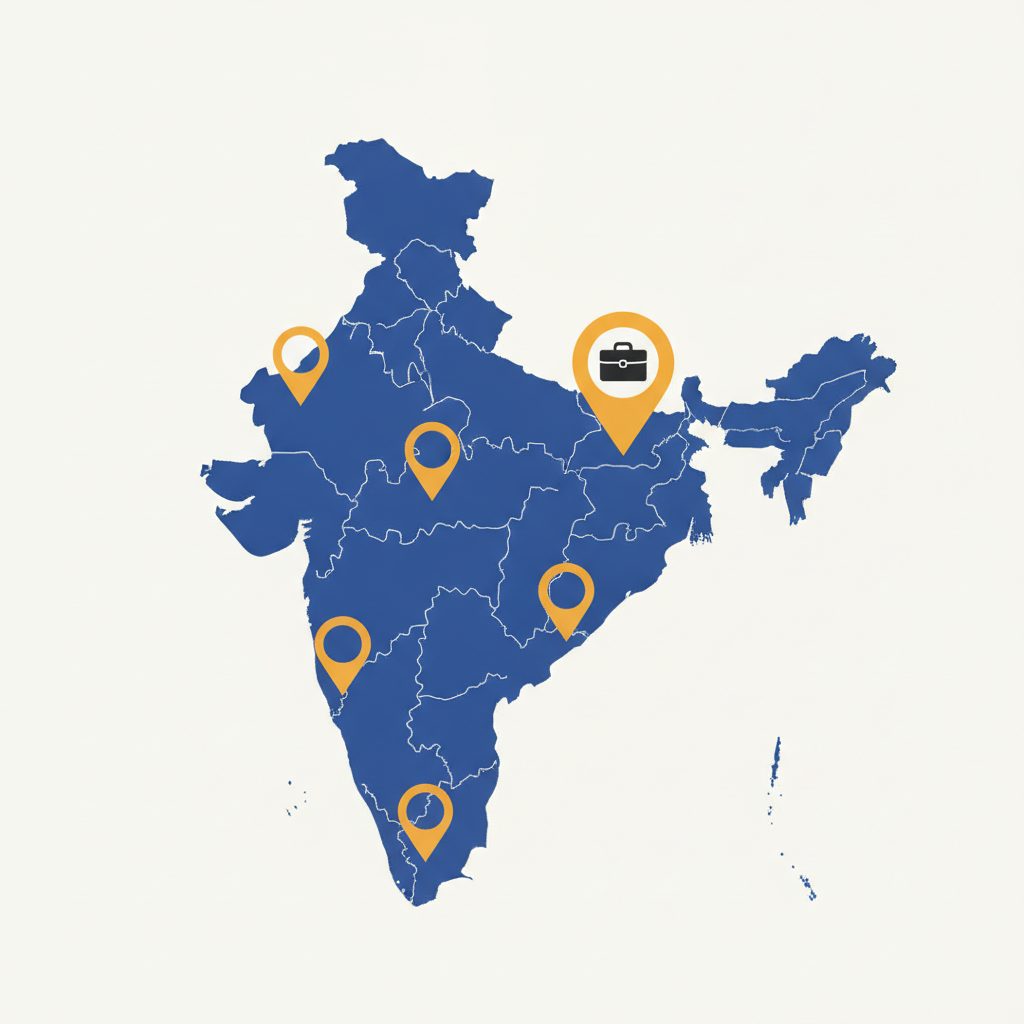
Central government jobs get the headlines, but state government jobs quietly employ far more people, and for many candidates they are the more realistic route. A state hires teachers, clerks, police, revenue officials, engineers and administrators across dozens of departments. The vacancies are closer to home, the rules often favour local residents, and the range of work is enormous. The catch is that each state runs its own show, so the map looks different depending on where you are.
This piece walks through who does the hiring, where the real notifications live, and how to apply without falling for the noise that clogs up this space.
Who actually hires for state government jobs
Most states run their recruitment through a handful of bodies, and knowing which one owns which post is half the battle.
- State Public Service Commissions handle the senior civil posts. These are the bodies behind the state civil services exams that produce Deputy Collectors, Deputy Superintendents of Police and other gazetted officers. You will see them by their initials: MPSC in Maharashtra, UPPSC in Uttar Pradesh, BPSC in Bihar, TNPSC in Tamil Nadu, RPSC in Rajasthan, KPSC in Karnataka, WBPSC in West Bengal, and so on.
- Subordinate services selection boards handle the bulk of Group C posts: clerks, revenue officials like patwaris or lekhpals, and various assistant grades. The name varies from state to state.
- Police recruitment boards run constable and sub-inspector hiring, with written tests plus physical standards.
- Teacher recruitment usually runs through a state eligibility test and a dedicated board. If teaching is your target, the CTET and state TET route is where to start reading.
- State PSUs, electricity boards and transport corporations hire engineers, technicians and office staff on their own timelines.
The spread of posts runs from the top, where a state civil services rank can put you in a district administration, down to Group D support roles. There is something at almost every qualification level, which is exactly why these jobs are worth understanding properly.
Which route fits you
A quick reality check helps here. The state PSC civil services exam is the prestige route, and it runs three stages much like the central one: a preliminary screening test, a written mains, and an interview. The competition is heavy and the preparation is long. The subordinate services and clerical posts are a different bet. They usually turn on one or two written tests, sometimes a typing or skill test, and they draw enormous numbers because the qualification bar sits lower. Neither is better; they suit different people. If you want a district-officer career and can commit years, aim at the PSC exam. If you want a stable government job sooner and are flexible about the role, the Group C and subordinate posts appear more often and clear faster. Be honest with yourself about which trade you are making before you pick a syllabus, because switching tracks halfway wastes the months you have already spent.
Where to find real notifications
This is where people go wrong. The internet is full of sites that repackage old vacancies, invent deadlines, or dress up rumours as news to farm clicks. Ignore them. Notifications that matter appear in a few reliable places: the official website of the relevant state PSC or board, the state government’s own employment portal, the state gazette, and Employment News. If a vacancy is real, it will exist on an official domain with a formal advertisement number. No advertisement number, no application.
Bookmark the official portals for your state and check them on a schedule rather than reacting to forwarded messages. A calm weekly check beats a panicked scramble every time someone shares a screenshot. And treat anything that arrives with a payment link and a promise of a guaranteed job as a scam, because that is exactly what it is. Learning to spot fake recruiters is not optional in this space; the scams here are well-practised.
Domicile, language and local reservation
Here is a difference that trips up outsiders. Many state jobs favour residents of that state. Domicile rules can decide whether you are even eligible, and some states reserve a share of posts for local candidates. On top of that, several states expect working knowledge of the state language, and a few test it directly. Before you invest in preparing for another state’s exam, confirm you can actually satisfy its domicile and language conditions. Nothing stings like clearing a paper you were never eligible to sit.
How the application usually works
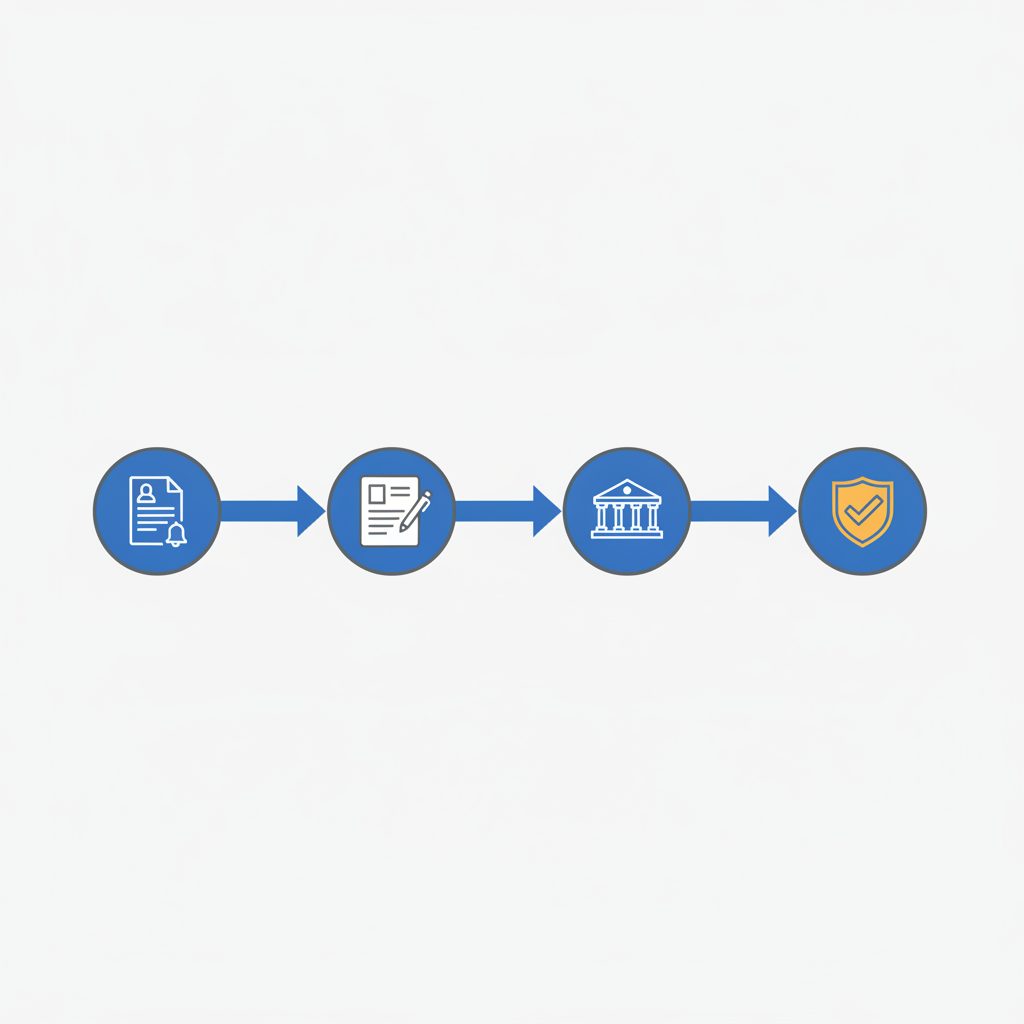
Most states have moved to a One Time Registration system. You create a profile once, and future applications pull from it. The typical flow runs like this:
- Register on the official portal and note your credentials somewhere safe.
- Fill the application for the specific advertisement, matching every detail to your certificates.
- Upload a photo, signature and any required documents in the exact size and format demanded.
- Pay the fee. Reserved categories and women often pay a reduced amount or nothing, depending on the state’s rules.
- Submit, then download and print the confirmation. Do not skip that last step.
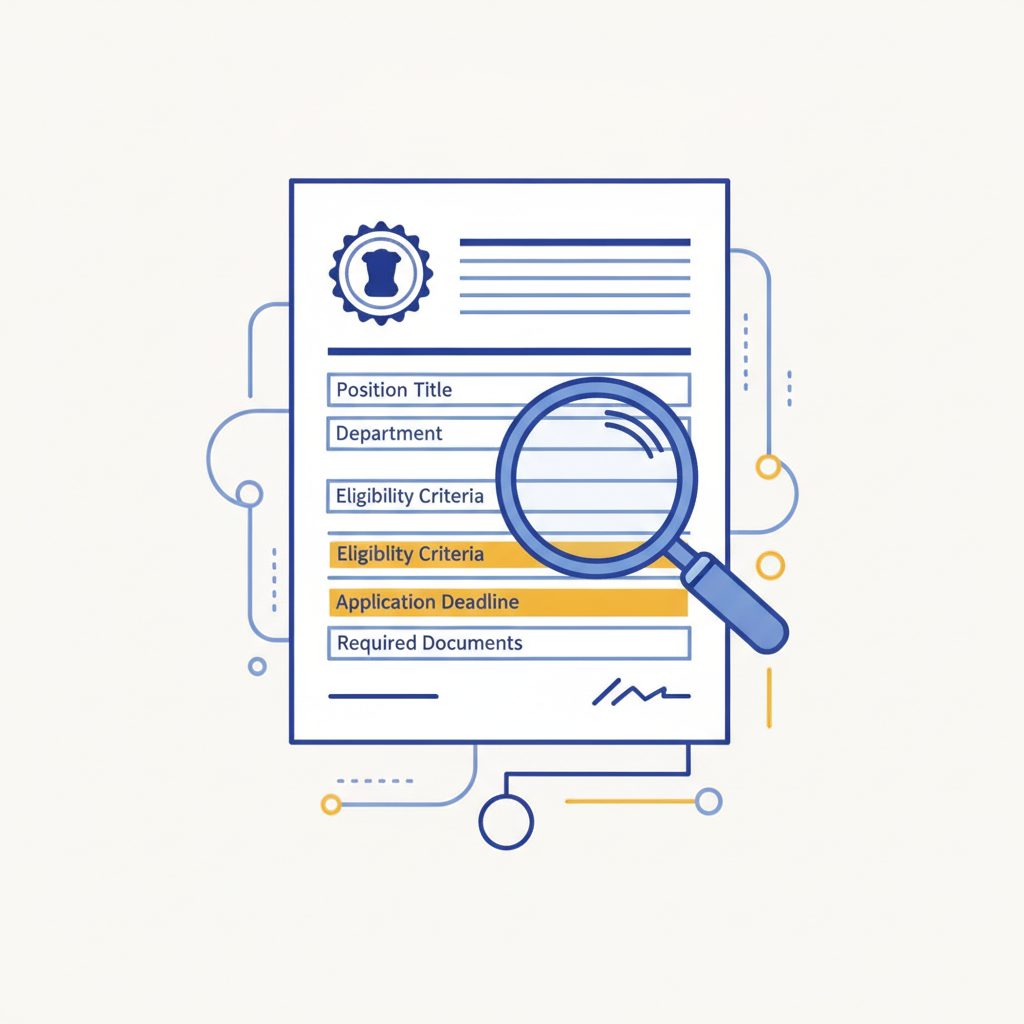
Read every eligibility line before you pay, because a state form rejected on an age or qualification technicality is a wasted attempt. Working out your age, qualification and category position in advance turns a stressful application into a form-filling chore, which is what it should be.
Being realistic about the grind
State recruitment can be slow and, in some states, unpredictable. Timelines slip, court cases occasionally stall a selection, and the gap between an exam and a result can stretch. That is frustrating, but it is not unusual, and it is not a reason to trust unofficial sources promising shortcuts. Keep your preparation steady, keep your documents in order, and keep checking the official portal.
If you are still deciding whether the state route fits you, it helps to understand how government recruitment works in general first. The broad shape is similar everywhere: a notification, an application, an exam or test, verification and a merit list. State jobs simply add local flavour, local rules and, often, a shorter distance between you and the posting. For a lot of candidates, that trade is well worth making.