












Apprenticeships in India are the most underused route into a stable career, and it is easy to see why they get skipped. They sound old-fashioned. They do not carry the prestige of a campus placement. And most students have no clear picture of how they work. That last part is a real cost, because an apprenticeship can hand you paid, on-the-job training and a recognised credential at the same time — a combination a classroom rarely offers.
This is a practical walk-through of apprenticeships in India and the Skill India ecosystem around them: what they are, how you join one, and who they genuinely suit.
What apprenticeships in India actually are
An apprenticeship is a formal arrangement where you learn a trade or skill by doing it at a real workplace, while earning a stipend and working toward a nationally recognised certificate. It is not an unpaid internship, and it is not a lecture course. You are trained on actual equipment, in an actual company, under a structured programme backed by government regulation.
India runs apprenticeships under a legal framework — the Apprentices Act — and expands access through the National Apprenticeship Promotion Scheme, usually shortened to NAPS. The scheme is designed to pull more employers into taking apprentices by supporting part of the stipend, so the model works for both sides.
That last point is the quiet engine behind the whole system. Companies often hesitate to train raw recruits because it costs time and money with no guaranteed return. By sharing part of the stipend burden, the scheme tilts that calculation, so more firms open apprentice slots than would otherwise bother. The candidate benefits from a door that policy, not charity, pushed open.
Where Skill India fits in
Skill India is the broad government mission to train young people for employable trades, and apprenticeships sit inside it as the earn-while-you-learn arm. Alongside it, Industrial Training Institutes (ITIs) provide the classroom-and-workshop foundation in trades like electrician, fitter, welder and mechanic. Many apprenticeship candidates come through the ITI route, though it is not the only door.
Think of it as a ladder. Skill India and ITIs build the base skill. An apprenticeship puts that skill to work in a real company. A job — sometimes with the same employer — is the rung after that. None of these steps guarantees the next, but together they form one of the clearest skill-to-work paths the country has.
Apprenticeships also come in more than one flavour, which surprises people who picture only welding and fitting. Trade apprenticeships cover the classic technical crafts. Graduate and technician apprenticeships exist for those with a degree or diploma who want structured industry exposure. And a growing set of optional-trade apprenticeships covers newer service roles that older lists never imagined. The point is simple: this route is not only for one kind of candidate, and dismissing it as “just factory work” leaves opportunities on the table.
Who can apply, in plain terms
Eligibility depends on the trade and the programme, but the general shape is this. Different trades set different minimum education levels — some accept candidates who finished school, others expect an ITI qualification or a diploma. There are age norms too, and reserved-category provisions apply as in other government-linked schemes. The honest advice is to check the specific trade and employer requirements rather than assume, because they vary a great deal.
What matters more than the exact rule is the mindset. Apprenticeships suit people who learn best by doing, who want to start earning while training, and who are willing to work their way up from the shop floor rather than skip straight to a desk.
How you find and join an apprenticeship
The process is more organised than most people expect.
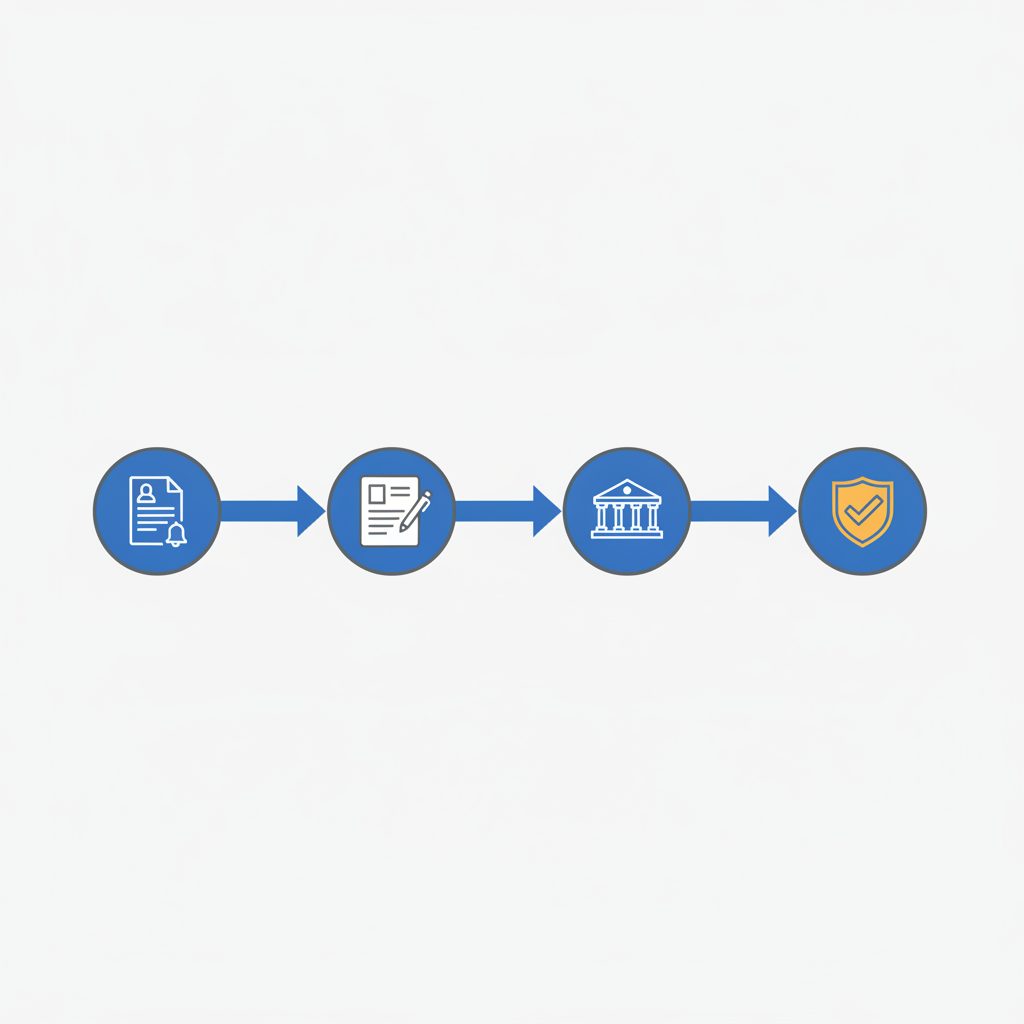
- Register on the official apprenticeship portal. The government runs a national platform where candidates create a profile and employers post opportunities.
- Match with a trade and employer. Openings are listed by trade, location and qualification, so you apply to what fits.
- Get selected and contracted. Selection may involve a basic test or interview, followed by a formal apprenticeship contract that sets your term and stipend.
- Train and certify. You complete the on-the-job training period and work toward the recognised certificate that comes with it.
Because this runs on official portals and contracts, it also sidesteps a common trap: nobody legitimate charges you a fee to “arrange” a government apprenticeship. Treat any such demand as a warning sign.
The honest pros and cons
Apprenticeships are not for everyone, and pretending otherwise helps no one.
The upside is real. You earn while you learn, you gain hands-on experience employers value, and you finish with a credential that carries weight in trade and manufacturing sectors. For someone who cannot afford years of unpaid study, this is a genuine path forward.
The trade-offs matter too. The stipend is training pay, not a salary — it is modest by design. An apprenticeship is not an automatic job offer, though it improves your odds and your resume. And the prestige signalling of a big-brand campus job is not part of the deal. What you get instead is skill you can prove and a foot in a real industry.
It helps to be clear-eyed about the money. An apprentice stipend is meant to support you while you learn, not to match a first salary, and treating it as income you can build a life around invites disappointment. The right frame is investment: you are trading a modest present wage for hands-on experience and a credential that raise your earning power afterward. For someone choosing between an unpaid course and a paid apprenticeship, that maths usually favours the apprenticeship. For someone who needs a full salary from day one, it may not — and that is a fair reason to look elsewhere.
Is it right for you?
If you are drawn to hands-on trades, want to start earning sooner rather than later, and value proven skill over a fancy label, an apprenticeship deserves a serious look. Pair it with the wider Skill India training options and you have a route into growing sectors like manufacturing, construction and services that does not depend on an elite degree. It is not glamorous. It is practical, and for the right person, that is exactly the point.