














Campus placements in India are the closest thing most students get to a shortcut into their first job — and the most misunderstood. Students treat placement season as a lottery decided in a single week. It is not. It is a process that rewards preparation done months in advance, and quietly punishes those who show up hoping charm will carry them.
If you understand how the machine works, you can position yourself well before the recruiters arrive. Here is the whole thing, laid out plainly.
What campus placements in India actually are
Campus placement is a hiring arrangement where companies come to a college — physically or online — to recruit final-year students before they graduate. The college’s placement cell coordinates it: inviting employers, scheduling drives, and managing eligibility. For the student, it means job offers can land while you still have exams left to write.
The scale varies wildly. A top engineering or management institute may host dozens of companies. A smaller college may see a handful, or partner with off-campus pools. Either way, the structure of a drive tends to follow the same beats.
Worth naming early: the college your placement runs in is only part of the story. The relationships your placement cell has built with recruiters over years shape who even shows up. That is outside your control. What is inside your control is being ready for the companies that do come — and that readiness is the whole game.
The typical stages of a placement drive
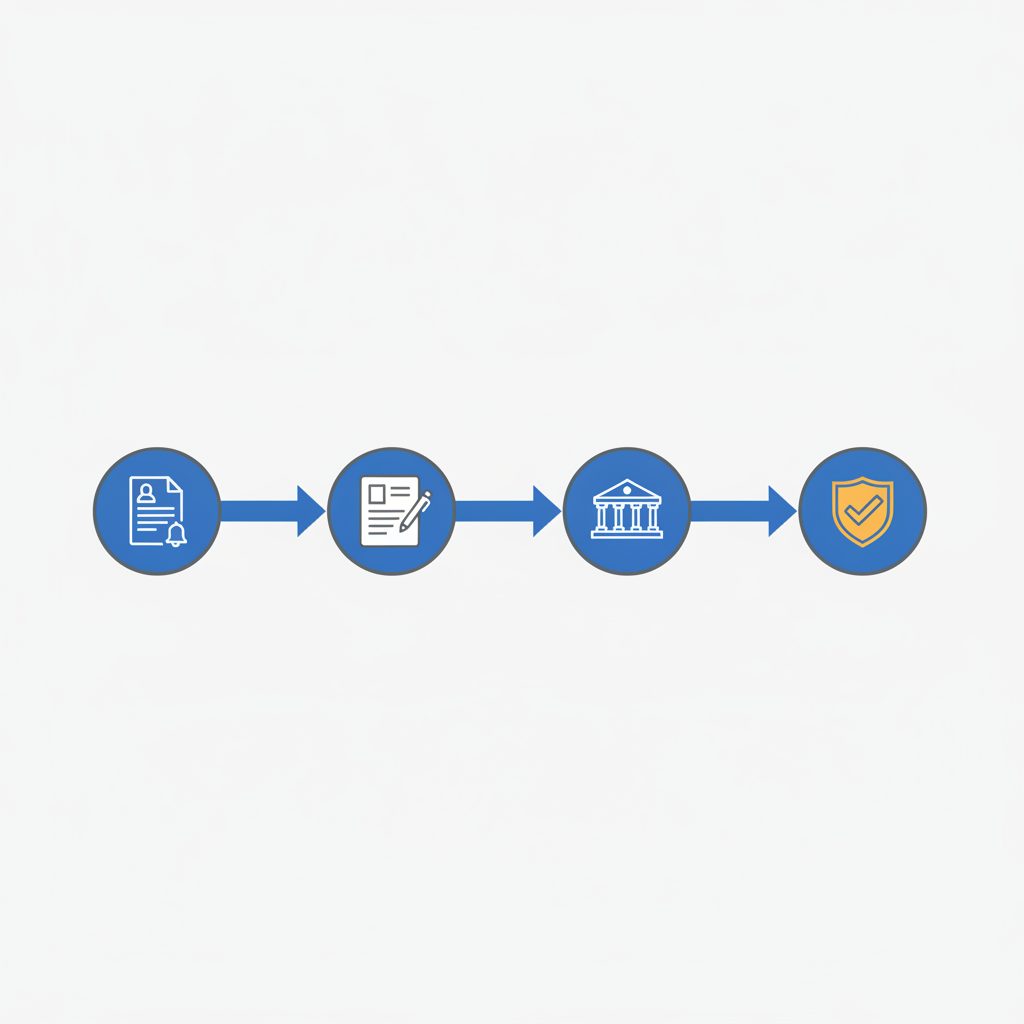
Most campus drives move through a predictable funnel. Knowing the sequence tells you exactly what to prepare for.
- Pre-placement talk. The company presents itself — role, pay, culture. Attend it. Questions you ask here can get noticed.
- Online or aptitude test. Quantitative aptitude, logical reasoning, verbal ability, and often a coding or domain section. This round eliminates the most people.
- Technical rounds. For technical roles, expect questions on your core subjects, projects, and problem-solving on the spot.
- HR interview. Fit, communication, and the “why this company” conversation.
- Offer. A letter, often with a joining date months away.
Each stage is a filter. You do not need to be brilliant at all five. You need to clear each one in turn, which is a very different and more achievable goal.
The eligibility criteria nobody warns you about
Before you can even sit for a drive, you usually have to clear the company’s eligibility bar. Common ones include a minimum aggregate percentage or CGPA, a cap on active backlogs, and sometimes a specific branch or specialisation. Many companies set the CGPA cut-off around 6 or 7, and some insist on no standing arrears.
This is the part students discover too late. Your academic record from the very first semester decides which companies you can even apply to. There is no dramatic comeback for someone who ignored grades for two years and expects the placement week to fix it. Consistency across semesters is the quiet foundation of a good placement.
Day roles versus dream roles
Colleges often sort drives into categories. “Day” companies are the volume recruiters offering standard packages and mass intake. “Dream” or “super-dream” companies offer higher pay but come with tighter eligibility and tougher rounds. Placement policies frequently limit how many offers a student can hold, or bar you from further drives once you accept, so read your cell’s rules before you say yes to the first offer that comes.
This creates a real decision. Take the safe day-company offer in week one, and you may be locked out of the dream drive in week three. Hold out for the dream company, and you might end the season with nothing if it does not work out. There is no universally right answer — it depends on your risk appetite, your backup options, and how the year’s hiring looks. What is wrong is making that call blind, without knowing your own placement policy.
How to prepare, starting now
The students who do well are not the ones who cram in placement week. They are the ones who built up over months.
- Aptitude. Practise quantitative, logical and verbal questions until speed becomes second nature. This is the most trainable round and the one that filters hardest.
- Core fundamentals. Know your subject basics cold. Technical interviewers probe depth, not memorised definitions.
- Projects. Have one or two you can explain end to end — what you built, why, and what broke.
- Communication. A resume that reads well and answers that sound clear. Mock interviews help more than any guide.
- Resume. One page, honest, tailored. Recruiters spend seconds on it.
Pull these together well before the season and you walk into drives ready, not rattled.
The mistakes that sink good students
Some failures have nothing to do with ability. Students skip the aptitude round because it feels beneath them, then get filtered out in the first hour. They walk into an HR interview unable to answer why they want the company, because they never researched it. They pad the resume with projects they cannot explain, and unravel the moment an interviewer probes. And a surprising number treat the pre-placement talk as optional, missing the one chance to understand what the role actually involves. Each of these is avoidable, and each ends more campaigns than a hard question ever does.
An honest look at the odds
Not everyone gets placed on campus, and that is not a verdict on your worth. Placement outcomes depend on the college’s recruiter relationships, the year’s hiring climate, your branch, and your own preparation — several of which are outside your control. Some strong students land offers in the first week; others get theirs in the last drive; some go off-campus and do just as well. If campus placement does not work out, it is one door, not the only one.
Treat placements as a process you can prepare for rather than a fate handed to you. Build your aptitude, keep your grades steady, sharpen your resume and interview game, and give yourself the best possible shot. That is genuinely within your control — and it is usually enough.